
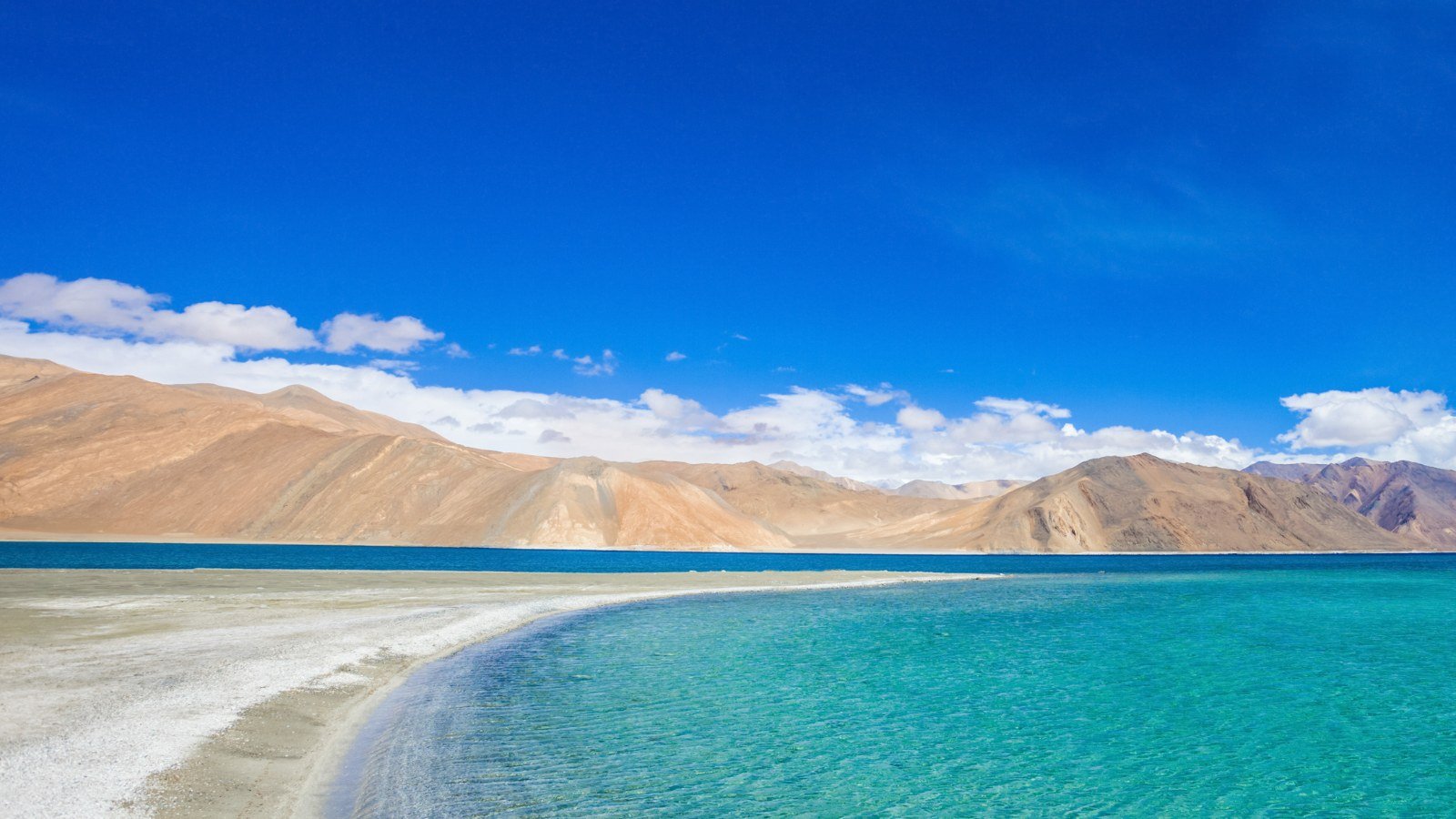

Travel is often remembered through landscapes, but the most memorable destinations are sometimes defined by two elements that seem simple and endless: water and sky. Together, they shape how a place feels, how people move through it, and how visitors connect with it. From shimmering lakes to wide blue horizons, the art of water and skies is really the art of atmosphere, emotion, and discovery.indiawris+1
Water has always been central to tourism because it creates life, movement, and beauty in one frame. Rivers, beaches, canals, wetlands, and lakes attract travelers for recreation, culture, relaxation, and adventure, while also supporting local livelihoods and heritage. In many places, water-based tourism has become linked with eco-tourism and wellness experiences, where the journey is as much about restoration as sightseeing.slideshare+2
Sky, meanwhile, adds a different kind of wonder. Sunrises, sunsets, starlit nights, and clear mountain air can turn a destination into an experience rather than just a stop on a map. Dark-sky tourism has also emerged as a growing form of travel, showing how unpolluted night skies can become attractions in their own right while encouraging visitors to value and protect natural darkness.zgstly+2
Why It Matters
Tourism built around water and sky can be deeply enriching because it connects people to nature in a direct, sensory way. A lakeside walk at dawn, a boat ride at dusk, or a night under a clear sky can leave a stronger impression than crowded sightseeing ever could. These experiences also encourage slower, more mindful travel, which is increasingly important for destinations seeking sustainable growth.un+2
This type of tourism also supports local culture. Communities near rivers, coasts, and mountain valleys often preserve traditional crafts, food, music, and storytelling that add depth to the visitor experience. When tourism respects these elements, it becomes more than leisure; it becomes a way of keeping local identity alive.slideshare+1
Destinations And Experiences
The best water-and-sky destinations usually offer a mix of scenery and activity. Visitors may cruise along canals, cycle beside waterways, watch migratory birds in wetlands, or simply sit and watch clouds move across the horizon. In India, water tourism is especially varied because the country’s rivers, beaches, and inland waters support both recreation and cultural travel.
A strong tourism article on this theme can highlight experiences such as:
-
Sunrise boat rides on calm waters.
-
Night cruises and illuminated waterfront walks.
-
Stargazing in dark-sky reserves.
-
Lakeside cultural festivals.
-
Eco-friendly stays near rivers, beaches, or wetlands.instagram+2
Sustainable Tourism
The beauty of water and skies comes with responsibility. Water bodies are vulnerable to pollution, overuse, and climate stress, while dark skies are threatened by light pollution and uncontrolled development. Sustainable tourism protects the very qualities that make these places special, so the visitor experience remains intact for future generations.theconversation+2
That means cleaner transport, responsible waste management, careful lighting, and support for local conservation efforts. It also means designing tourism in a way that benefits communities without overwhelming them. The most successful destinations are often the ones that treat nature not as a backdrop, but as the main attraction and the main responsibility.un+2
Closing Line
The art of water and skies lies in their power to slow us down, open our senses, and remind us that beauty is often found in balance. For tourism, that balance creates destinations that are not only scenic, but meaningful.
0 Comment